
πŸŽ„ πŸŽ… Get Your Exclusive! Christmas Discount 🎁   Chat With Us   πŸŽ„


Posted On: July 12, 2024

Respirable Crystalline Silica: Health Risks and Workplace Safety


Silica

What is Respirable Crystalline Silica?

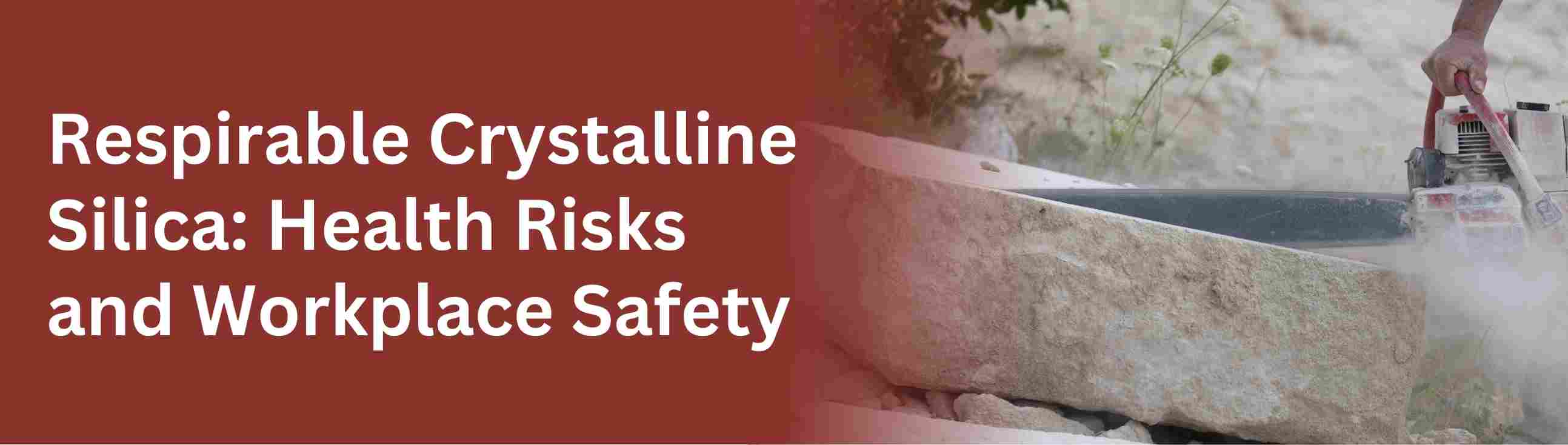
Crystalline silica is a mineral commonly found in materials used for construction, such as sand, stone, concrete, brick, and mortar. When these materials are cut, ground, drilled, or crushed, they produce tiny dust particles known as "respirable" particles. These particles are small enough to be inhaled, causing health risks to workers.


Health Risk of Crystalline Silica

Inhaling crystalline silica dust can lead to serious health issues, including

  • Silicosis: Breathing in silica dust may cause silicosis, a serious lung disease that scars the lungs, making it difficult to breathe and reducing oxygen intake. It usually develops after 15–20 years of exposure, often without immediate symptoms, requiring chest X-rays to detect lung damage. Symptoms include shortness of breath during physical activity, fatigue, chest pain, and respiratory issues as the disease progresses. Silica exposure weakens the immune system, increasing the risk of lung infections like tuberculosis, especially when combined with smoking. In rare cases of high exposure, symptoms such as silicosis, fever, and weight loss can develop rapidly, needing immediate medical attention.
  • Lung Cancer: Long-term exposure to silica dust increases the chance of getting lung cancer. The fine particles can damage lung tissue, which may lead to the growth of cancerous cells in the lungs.
  • Chronic Obstructive Pulmonary Disease (COPD): Continuous exposure to silica dust over time can result in COPD (Chronic Obstructive Pulmonary Disease), a condition that restricts air passage in the lungs, leading to difficulties in breathing. This includes diseases such as chronic bronchitis and emphysema.
  • Kidney Disease: Workers who breathe in respirable crystalline silica dust face an increased risk of developing kidney disease. Studies have shown that occupations with high silica exposure, such as abrasive blasters, have reported cases of kidney failure.

Preventing Exposure to Crystalline Silica

To protect workers from the dangers of crystalline silica, various safety measures can be implemented:

  • Use Water: Wetting down materials helps prevent silica dust from becoming airborne when cutting, drilling, or grinding.
  • Ventilation System: Proper ventilation systems, such as local exhaust ventilation (LEV), help remove dust away from workers' breathing areas, ensuring the air is clean of silica particles.
  • Protective Equipment: Workers should wear respirators that filter out silica dust and protective clothing to prevent skin contact.
  • Hygiene: Stay away from eating, drinking, or smoking near silica dust areas. Remember to wash your hands and face well before eating, drinking, or smoking away from these places.
  • Training and Awareness: Provide training to workers on the hazards associated with silica exposure and proper procedures for safely handling silica materials. Make sure they understand how to use equipment correctly, identify risks, and respond to emergencies. Regularly remind them of safety practices to keep them aware and following procedures.

Conclusion

Understanding crystalline silica and its associated risks is important for workplace safety where this mineral is used. By following safety guidelines, businesses can protect workers from the dangers of breathing in silica dust. This helps to keep everyone healthy and maintains a safe workplace environment.


Written by: Muntaha Islam


Stay Informed with OSHA Training School

Know about osha connecticut 40 hour construction and general training

Online OSHA 30 Training in Connecticut for Workers and Supervisors

OSHA 30 training has become an important qualification for workers and supervisors across Connecticut...

December 05, 2025
Learn about the logout and tagout safety and duct tape and machine guarding practices

Fatal Case Study: How Duct Tape Caused a Deadly Machine Guard Failure

A fatal incident at a Kansas plastics plant shows how ignoring basic safety procedures can cost a life. At Great...

December 02, 2025
Know about osha online training 10 hour 30 hour certification training in alabama

OSHA 10 and 30 Training in Alabama: Certification, Standards, and Cost

Alabama’s construction, manufacturing, transportation, and general industry sectors play a major...

November 28, 2025
Know about osha connecticut 10 hour construction and general training

Connecticut OSHA 10 Certification – Training and State Requirements

If someone works on state-funded construction projects in Connecticut, they have likely heard about OSHA 10...

November 25, 2025
Learn about Reasonable Suspicion Training course to maintain the dot compilance to earn iacet approved

Understanding DOT Reasonable Suspicion and 49 CFR 382.603

Let's be honest: Substance abuse is a big issue that doesn't just affect the individual. When it enters the...

November 21, 2025
Learn about the story of fatal heat stress workers story at site

Fatal Heat Stroke: A Roofer's Story & Prevention Plan

Heat stress remains one of the most overlooked hazards on construction sites. Roofers, road crews, landscapers, and many outdoor workers...

November 18, 2025