Search from 220+ expert safety training articles
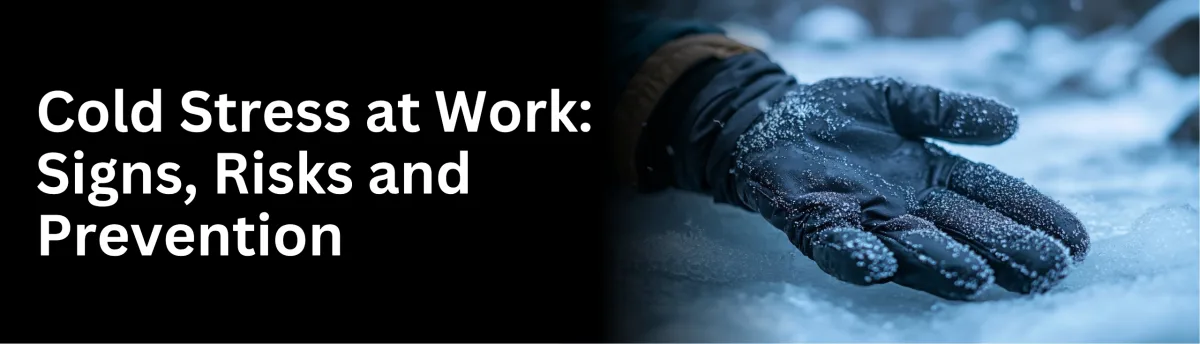
Winter weather can make every day work more dangerous, especially for outdoor workers. Snow, ice, and freezing temperatures...
Read More
Construction touches every part of our daily lives. It builds the homes we live in, the roads we travel on, the bridges...
Read More
Many workers wear safety harnesses every day but still face serious fall risks. The reason is simple: a harness only...
Read More
Electricians in the United States earn good pay because the job requires technical skill and hands-on experience...
Read More
Drug and alcohol misuse in the workplace can place workers, employers, and the public at risk, especially in regulated industries...
Read More
New York City has specific safety training rules for construction and demolition work that go beyond federal requirements...
Read More
On many job sites, not every dangerous situation ends in an injury or damage. A worker may slip but catch themselves...
Read More
For roofers and framers, winter doesn't always mean work stops. Projects still need to move forward, even in cold weather...
Read More
Warehouse safety is about the practices, procedures, and controls that keep workers, equipment, and products safe...
Read More
On many job sites across Arkansas, safety training is not just recommended - it is expected. Workers are...
Read More
In construction, building maintenance, and industrial work, platforms can be seen hanging from the top of structures...
Read More
For those working in the Kansas construction, manufacturing, or oil and gas industry, the question of OSHA training...
Read More
Suspended scaffolds are temporary work platforms that hang from secure anchorage points and are used across many industries...
Read More
Supported scaffolds are temporary elevated platforms supported by structural members and used across construction...
Read More
Renewing a Site Safety Manager (SSM) certification in New York City is a regulatory requirement that keeps safety professionals current...
Read More
Many jobs in Colorado expose workers to fall hazards, electrical risks, machinery hazards, and other dangerous conditions...
Read More
Many Hispanic and Latino workers in the U.S. are employed in high-risk industries that require proper safety training...
Read More
Confined spaces are found in many workplaces, including construction sites, factories, warehouses, and utilities...
Read More
Hispanic and Latino workers hold an important place in construction, manufacturing, warehousing, and other industries...
Read More
Keeping road workers, drivers, and pedestrians safe in construction and maintenance areas starts with proper flagger training...
Read More
OSHA 30 training has become an important qualification for workers and supervisors across Connecticut industries...
Read More
A fatal incident at a Kansas plastics plant shows how ignoring basic safety procedures can cost a life...
Read More
Alabama's construction, manufacturing, transportation, and general industry sectors play a major role in the state's economy...
Read More
If someone works on state-funded construction projects in Connecticut, they have likely heard about OSHA 10 requirements...
Read More
Substance abuse is a big issue that doesn't just affect the individual. When it enters the workplace it can be deadly...
Read More
Heat stress remains one of the most overlooked hazards on construction sites. Roofers and road crews face extreme risk...
Read More
Many workers, employers, and job postings use the term "OSHA Certification" when referring to OSHA 10 or OSHA 30 Hour training...
Read More
Anyone planning to work on major construction sites in New York City must follow strict training requirements...
Read More
Fall hazards exist in every workplace, whether on construction sites, in warehouses, plants, repair facilities...
Read More
Every light that turns on, every machine that operates, and every powered system in a city relies on electricians...
Read More
Every day across Florida, workers build high-rises, maintain resorts, and keep production lines running safely...
Read More
Forklifts and other powered industrial trucks keep warehouses, construction sites, and manufacturing plants running...
Read More
If you've worked in Texas construction, manufacturing, or oil and gas, you've likely heard the question about OSHA training...
Read More
If working in California, understanding safety training can be confusing. Many workers hear about OSHA 10 and Cal/OSHA...
Read More
Nevada takes workplace safety seriously. It is one of the few states where OSHA training is required by law for construction...
Read More
The Clean Air Act (CAA) is a federal law that regulates air emissions from both stationary and mobile sources throughout the U.S...
Read More
In 2023, private industry employers in the U.S. reported 2.6 million nonfatal workplace injuries and illnesses, down 8.4%...
Read More
The OSHA Training Institute (OTI) is the official training and education arm of the Occupational Safety and Health Administration...
Read More
The term "OSHA 40-Hour Certification" is one of the most common misconceptions in workplace safety training today...
Read More
Every year, thousands of workers are injured or lose their lives in workplace accidents. These incidents highlight the importance...
Read More
Workplace safety is regulated at both the federal and state levels. In Virginia, the Virginia State Plan also known as VOSH...
Read More
Workers and employers across the U.S. are required to complete OSHA-authorized training to create safer workplaces...
Read More
The construction industry in the United States relies heavily on Hispanic workers, who now make up a significant portion...
Read More
The construction industry continues to face high rates of workplace injuries and fatalities in the United States each year...
Read More
In the United States, chemical spills have caused more harm than many realize. According to the CDC thousands are affected...
Read More
Bloodborne pathogens are harmful microorganisms found in human blood and certain other body fluids known as OPIM...
Read More
Arsenic is a naturally occurring element found in soil, water, and air. While organic arsenic compounds are less toxic...
Read More
Mining is one of the most hazardous industries in the U.S. A report from the Bureau of Labor Statistics shows mining fatalities...
Read MoreSemiconductor manufacturing uses chemicals that can create serious health and safety risks if not properly managed...
Read More
Handling and transporting hazardous materials requires following federal safety regulations from the U.S. DOT and EPA...
Read MoreSemiconductor fabrication is one of the most advanced manufacturing processes in the world, requiring extreme precision...
Read MoreIn high-tech sectors such as semiconductor manufacturing and electronics production, workplace safety is absolutely critical...
Read More
Environmental responsibility is no longer optional; it is a requirement for businesses across many industries in the U.S...
Read More
Confined spaces in general industry can be highly dangerous, especially when mechanical, chemical, or atmospheric hazards exist...
Read More
OSHA 501 Certification is designed for safety professionals who want to become authorized trainers for OSHA outreach programs...
Read More
OSHA 500 Certification is designed for safety professionals who want to become authorized trainers for OSHA construction training...
Read More
Fire protection systems are vital for protecting lives and property during fire emergencies. The National Fire Protection Association...
Read More
OSHA 10-Hour training is a safety course designed for U.S.-based employees. It introduces entry-level workers to workplace hazards...
Read More
NFPA Codes are safety standards developed by the National Fire Protection Association to protect lives and property from fire...
Read More
Commercial drivers deal with specific safety risks and compliance requirements during their time on the road...
Read More
Asbestos can be deadly without proper controls, containment, and awareness. Workers involved in maintenance activities...
Read More
OSHA 30-Hour training is a widely recognized program designed to educate workers and supervisors about safety practices...
Read More
Workplace accidents usually result from two major causes: unsafe acts and unsafe conditions. Although both can lead to injury...
Read More
Lockout/Tagout (LOTO) is an important safety procedure used to control hazardous energy during the servicing of equipment...
Read More
NFPA 70E Training is designed to teach workers how to stay safe when working with or near electrical hazards in the workplace...
Read More
Rigging and crane operations are a regular part of work in construction, industrial, and manufacturing environments...
Read More
When working at heights, it's important to understand the difference between fall prevention and fall protection strategies...
Read More
When people hear about Artificial Intelligence (AI) in construction, the first thought is usually about job loss. But the reality...
Read More
New York City construction sites regulated under Local Law 196 of 2017 must meet strict training requirements for all workers...
Read More
OSHA certification usually refers to completing training through the OSHA Outreach Training Program such as OSHA 10 or 30...
Read More
Small business owners are responsible for providing a safe and healthy workplace under the Occupational Safety and Health Act...
Read More
Losing important documents happens and OSHA cards are no exception. For construction and general industry workers...
Read More
While OSHA 10 cannot be directly upgraded to OSHA 30, workers can enroll in the full OSHA 30-Hour training course at any time...
Read More
Both OSHA and HAZWOPER training are designed to protect workers, but they apply to different job roles and industries...
Read More
When stepping onto any job site, whether it's a construction site, a manufacturing plant, or a warehouse, there's a simple...
Read More
OSHA General Industry Outreach Training is an OSHA-authorized safety program designed for...
Read More
Falls are a leading cause of serious workplace injuries and fatalities, particularly in construction and...
Read More
Forklifts are commonly used in construction, manufacturing, and warehouse operations to move heavy...
Read More
Construction sites are full of activity and risk. From working at heights to using heavy machinery, many things can go...
Read More
Understanding workplace safety is important for every employee, regardless of their role. OSHA 10-Hour training is designed...
Read More
Stepping into a leadership role such as a supervisor, manager, foreman, or safety coordinator requires a clear understanding of workplace...
Read More
Forklifts, also known as powered industrial trucks, play an important role in warehouses, construction sites, and other industrial workplaces...
Read More
Supported scaffolds are commonly used on construction sites to help workers reach high areas for tasks...
Read More
Warehouses are active workplaces that involve material handling, moving equipment, and continuous...
Read More
The OSHA 30-Hour Certification is designed for workers with responsibilities that go beyond...
Read More
OSHA certification helps workers qualify for jobs that require knowledge of workplace safety and hazard...
Read More
Chemicals are used in many workplaces. They play a role in production, cleaning, and other tasks, but improper...
Read More
Confined spaces in construction can be hazardous due to restricted entry and exit, limited airflow, and potential dangers inside...
Read More
When it comes to OSHA training, OSHA Training School stands out as one of the top-ranked providers in the US...
Read More
OSHA 10-Hour Training is a workplace safety program designed for entry-level workers in construction and...
Read More
OSHA 10 and 30-Hour Training programs help employees understand workplace hazards and safety rules...
Read More
Industrial ergonomics focuses on designing workplaces, tools, and tasks to match workers' capabilities...
Read More
Industrial hygiene improves workplace safety by identifying and controlling hazards that affect worker health...
Read More
The construction industry in Houston is booming, with ongoing projects in residential...
Read More
Transporting hazardous materials (HazMat) is a serious responsibility. Whether handling chemicals...
Read More
OSHA training helps workers and employers identify workplace hazards and follow safety regulations. Many...
Read More
Hazard Communication (HazCom) labels are required by OSHA under the Hazard Communication Standard...
Read More
Hazard Communication (HazCom) Standard pictograms are standardized symbols required by OSHA under the...
Read More
Under Local Law 196, New York City requires construction supervisors to have a valid 62-hour Supervisor...
Read More
In New York City, construction and demolition workers are required to have a valid 40-hour Worker Site...
Read More
Site Safety Managers (SSMs) play a key role in maintaining safety on construction sites in New York City...
Read More
The MSHA Part 46 Miner Annual Refresher Training is an 8-hour course that helps miners stay up to...
Read More
The Mine Safety and Health Administration (MSHA) New Miner Training under Part 46 regulations...
Read More
NYC 30-Hour Worker Site Safety Training (SST) program is a mandatory requirement under Local Law 196...
Read More
Oil and Gas Suite Training is a specialized program designed to educate workers on how to identify...
Read More
The 40-Hour Site Safety Manager (SSM) Training is a mandatory program required by the NYC Department...
Read More
Dust is a common hazard in industrial and construction workplaces. It can harm workers' health and create...
Read More
Supervisors play an important role in keeping worksites safe for everyone. Their job is more than just...
Read More
HAZWOPER (Hazardous Waste Operations and Emergency Response) training equips workers with...
Read More
Workplace safety is important for both workers and employers. The Occupational Safety and Health...
Read More
OSHA 30-Hour Training is an advanced safety course designed to provide workers and supervisors with a...
Read More
OSHA 10 and 30 hour training programs are smart investments for workers and employers looking to improve...
Read More
OSHA training equips workers and supervisors with the knowledge to identify workplace hazards and follow safety protocols...
Read More
Confined space training prepares workers for the risks of working in confined spaces, such as tanks...
Read More
A safe workplace protects employees, keeps operations running smoothly, and meets OSHA regulation. OSHA 10 and...
Read More
OSHA 10 and 30 Hour trainings teach workers and supervisors about workplace hazards, worker rights, and employer responsibilities...
Read More
Plumbers work in environments with various risks such as handling hazardous materials, working...
Read More
The New York City Department of Buildings (NYC DOB) introduced the Worker Wallet Card on November 1...
Read More
Ammonia is a chemical compound made of nitrogen and hydrogen (NH₃). It is commonly used in industries...
Read More
Plant managers oversee workplace safety, productivity, and regulatory compliance. The OSHA 30-Hour...
Read More
Cardiopulmonary resuscitation (CPR) is a life-saving technique used during emergencies when someone's breathing or heartbeat has...
Read More
HAZWOPER training is vital for workers handling hazardous materials or working in high-risk environments...
Read More
The NYC DOB Training Connect Site Safety Training (SST) Card is a wallet-sized card that combines all completed SST courses...
Read More
Working as a welder comes with several risks, such as exposure to high temperatures, harmful fumes, heavy materials...
Read More
Safety in warehouses is important due to tasks such as moving heavy equipment and working with...
Read More
Site Safety Training (SST) is mandatory for workers and supervisors on NYC construction sites. With NYC Local...
Read More
The NYC 32 Hour Supervisor Site Safety Training (SST) is mandatory for individuals with a valid OSHA 30-Hour...
Read More
The NYC 22 Hour Supervisor Site Safety Training (SST) is an additional training program designed for individuals who...
Read More
In today's fast-paced business landscape, organizations require efficient and streamlined solutions for both training and compliance...
Read More
The NYC SST 10-Hour Training is part of the Site Safety Training (SST) program mandated by Local Law 196 of 2017...
Read More
The OSHA Department of Labor (DOL) card is a wallet-sized card issued to individuals who have successfully completed OSHA Outreach...
Read More
OSHA 10-Hour Training is a basic safety course that increases awareness of workplace safety and health. It is...
Read More
A Temporary Site Safety Training (SST) Card is a short-term SST card for construction and demolition workers who have not yet completed...
Read More
The construction industry has shaped the world we live in, from impressive landmarks to towering...
Read More
The NYC 30-Hour Construction Voice-Proctored Training is a safety course designed for construction workers...
Read More
Excavation work is one of the most dangerous tasks in construction, with risks such as cave-ins, hazardous...
Read More
HAZWOPER (Hazardous Waste Operations and Emergency Response) training is for those involved in...
Read More
The New York City Department of Buildings (DOB) has introduced clear requirements for online construction...
Read More
The NYC 40 Hour Site Safety Training (SST) is part of the local regulations set by the NYC Department...
Read More
Ladder safety is important in the construction industry to protect workers from injuries while working...
Read More
HAZWOPER 8 Hour Annual Refresher Training is required by OSHA for workers who deal with hazardous...
Read More
Labor Day, celebrated on the first Monday of September, honors American workers and their contributions to the nation...
Read More
The NYC SST 16 Hour Supervisor Refresher Training is mandatory for those who have already completed...
Read More
The NYC SST 8 Hour Worker Refresher Training is required for construction and demolition workers who have...
Read More
Woodworking is a craft that requires skillful handling of tools and materials to create useful and attractive items from wood...
Read More
Toolbox Talks, also known as safety briefings or safety meetings, are short, informal safety discussions...
Read More
Sheet metalworking is a process that shapes thin metal sheets into various forms and parts. It involves...
Read More
Electricity is a serious hazard if not managed properly. Workers who directly handle electrical systems, like electricians...
Read More
Before starting a demolition project, it's important for those in charge to carefully plan for the safety of all...
Read More
Working at height requires special attention and care. Whether constructing high-rise buildings, maintaining rooftops...
Read More
Before employees start moving, handling, and storing materials, they need to understand basic safety...
Read More
Finding OSHA-authorized occupational training courses in the U.S. can be difficult due to the many online...
Read More
First aid is the initial care provided to someone who is injured or ill until professional medical help arrives...
Read More
In workplaces where employees handle flammable liquids like cleaning fluids, paints, and gasoline, proper...
Read More
According to the Bureau of Labor Statistics, many work-related deaths are caused by transportation accidents...
Read More
Every day, workers in construction sites and industrial areas face the risk of being struck by moving objects, tools, equipment, or vehicles...
Read More
Crystalline silica is a mineral commonly found in materials used for construction, such as sand, stone...
Read More
Head injuries at work, whether from slips, falls, machinery accidents, or falling objects, can be severe and even fatal...
Read More
Each year, thousands of people suffer eye injuries at work, leading to blindness that could have been avoided with proper protection...
Read More
The OSHA 10-hour and 30-hour training courses are part of the Outreach Training Program managed by the U.S. Department of Labor...
Read More
Lead is a heavy metal naturally present in the Earth's crust. It has been used in various items like batteries, pipes...
Read More
In industries such as construction and maintenance, working at heights is common but dangerous due to the risk of falls...
Read More
Companies across a variety of industries that generate hazardous waste need to have a Hazardous Waste Minimization and Disposal program...
Read More
A walking-working surface refers to any area where employees walk, work, or move around. This includes all surfaces inside the workplace...
Read More
The OSHA 30-Hour General Outreach Training is a safety course for people who manage or are responsible for...
Read More
Every machine has its dangers, like moving parts or sparks, which can lead to anything from minor cuts to...
Read More
The OSHA 30-Hour Construction Industry course is a detailed training program particularly designed for individuals...
Read More
Every workplace has dangers like sharp edges, falling objects, noise, and chemicals. OSHA requires employers...
Read More
Every day, workers across various industries lift and carry heavy objects as part of their routine tasks, whether in warehouses, offices...
Read More
Construction workers operate in high-risk environments, dealing with heavy machinery, heights, and hazardous tools. They have a much...
Read More
Welding fumes are a mixture of tiny solid particles (fume particles) and gases generated during the welding process. These fumes...
Read More
Construction sites are constantly changing as projects progress, which makes it challenging to protect the...
Read More
Load securement and distribution refer to the methods and processes used to safely secure cargo onto a vehicle...
Read More
A bench grinder is a tool equipped with a motor and spinning abrasive wheels used to sharpen, shape, and polish materials like metal...
Read More
A Fire Watch is a precautionary measure taken to maintain the safety of an area that is at risk of fire hazards or when a...
Read More
Every day in the United States, workers face the risk of injury or even death across various industries. Focusing on safety not only...
Read More
In the realm of hazardous waste operations, emergency preparedness is paramount. First responders play a very important role in...
Read More
Unexpected incidents can happen at any moment. Whether it's a fire, a natural disaster, or any other unforeseen event, it is...
Read More
The purpose of Hazard Communication is to make sure the dangers of all hazardous chemicals produced or...
Read More
No matter the field we work in, our hands, wrists, and fingers play a vital role in performing a variety of tasks. They facilitate communication...
Read More
Fire extinguishers are commonly found in workplaces, homes, and public spaces. But what's the point if individuals don't know how to...
Read More
Working at heights can be dangerous, especially for jobs like construction, window cleaning, or telecommunications. Falls from heights can be fatal...
Read More
Scaffolds are the backbone of construction projects, providing a stable platform for workers to perform tasks at elevated levels...
Read More
Combustible dust refers to fine particles that can ignite and cause explosions when they're in the air. Many industries, such as woodworking...
Read More
In our daily lives, we see signs and symbols everywhere that guide us, inform us, and keep us safe. From traffic signs on the roads to hazard warnings in workplaces, safety signs have...
Read More
In our daily lives, we are constantly surrounded by potential hazards that we often overlook. One such danger...
Read More
A hand pallet jack, also known as a pallet truck, is a manual device designed to lift and move heavy pallets and loads within a...
Read More
Working at an oilfield could potentially expose you to hydrogen sulfide (H2S). It has a faint smell of rotten eggs (you may not always...
Read More
Industrial ergonomics is the practice of designing workplace environments that match the capabilities and limitations of employees...
Read More
Safety is important in any field, especially in construction, where mistakes can have serious consequences. Crane hand signaling...
Read More
As we continue to push the boundaries of architectural design, it's clear that concrete and masonry will continue to lead the way in construction...
Read More
Excavation and trenching are some of the most dangerous tasks in construction work. The moment the ground is disturbed...
Read More
The importance of environmental responsibilities has to be emphasized. As we observe the increasing impacts of climate change and...
Read More
Hot work refers to any activity or process that creates a source of ignition, such as flame, heat, or spark. It covers tasks like welding...
Read More
Harassment in the workplace can happen from different people, including co-workers, supervisors, managers...
Read More
Driving is a big part of many jobs. Whether it's commuting to meetings, making deliveries, or traveling between job sites, employees engage in...
Read More
In the construction, mining, and demolition industries, controlled explosions are commonly used for...
Read More
In today's fast-paced world, where maintaining high productivity is a continual requirement, effective supervision plays a pivotal role in guiding and overseeing team...
Read More
A learning management system, or LMS, is a platform or software application designed to deliver, administer, track, and manage...
Read More
In the present time, Drugs and alcohol are making a big impact on society, extending into the workplace. The misuse of these substances...
Read More
Working with electrical equipment comes with serious hazards, one of these...
Read More
Corrosive materials are present in almost every workplace. From batteries to disinfectants...
Read More
Crane operator safety training deals with procedures and measures specific to the safety of individuals...
Read More
The safety of employees is paramount for any company and employer. It's also the fundamental responsibility of employers to make sure...
Read More
Hand and Power Tools are common parts of our routine lives and are present in every industry...
Read More
Truckers face a high risk of injury and death in their line of work because they spend long durations on the road. While maneuvering large...
Read More
A forklift is a powered industrial truck with twin forks attached to the front that can be raised and lowered to lift and move materials...
Read More
An aerial lift is a type of heavy equipment designed to lift individuals to access elevated areas. It is also known...
Read More
Asphalt is one of the most common materials used for road paving, roofing, and construction projects...
Read More
In today's bustling industries, forklifts stand tall as indispensable workhorses, transforming material handling across diverse sectors. From...
Read More
In today's rapidly evolving world, workplace safety is a critical aspect of any organization's operations...
Read More
Scissor lifts are versatile aerial work platforms widely used in various industries, including construction, maintenance...
Read More
Emergencies and disasters can catch people off guard, particularly when they have a personal impact on individuals...
Read More
OSHA unveiled a national emphasis program (NEP) aimed at warehousing and distribution center operations on July 13, 2023...
Read More
In the pursuit of ensuring safe and healthy working environments, the Occupational Safety and Health Administration (OSHA) plays...
Read More
In today's world, maintaining a safe and healthy work environment is paramount. One critical aspect of workplace safety involves...
Read More
When it comes to workplace safety, fall protection is a critical aspect that cannot be overlooked. In industries such as construction...
Read More
Working in the construction industry comes with many risks and work-related hazards. A construction worker should be able...
Read More
The construction industry is an essential sector that plays a significant role in shaping the infrastructure of our society. While construction...
Read More
The 40-Hour Site Safety training and the 40-Hour Hazwoper training are two distinct training programs that focus on different aspects of occupational...
Read More
OSHA 10 and OSHA 30 are both training programs offered by the Occupational Safety and Health Administration (OSHA) in the United States...
Read More
As the winter season blankets the world in frosty temperatures, it becomes crucial for employers...
Read More
As the temperatures rise and global warming becomes an increasingly pressing issue, the risk of heat-related illnesses and injuries is also on the rise...
Read More
Ensuring a safe working environment is paramount for any organization, especially those involved in electrical maintenance and operations...
Read More
Asbestos, a naturally occurring mineral known for its heat resistance and durability...
Read More
In any workplace, ensuring the safety and well-being of employees is of paramount importance. One crucial aspect of creating a safe working...
Read More
The SST card is a certification/proof that you have successfully completed your training with an authorized Department of Buildings...
Read More
Creating a safe and inclusive work environment is crucial for the well-being and productivity of employees. Sexual harassment...
Read More
Transporting hazardous materials is a critical and necessary activity in our modern world. From chemicals and...
Read More
Under the local law of 196 of 2017 (NYC department of buildings), Supervisors at job sites with a site safety plan are required to receive 62 hours...
Read More
In any workplace, ensuring the safety and well-being of employees is paramount. Accidents and medical emergencies can occur at any time...
Read MoreTry a different keyword to find what you're looking for.
Trusted by thousands of workers & supervisors