
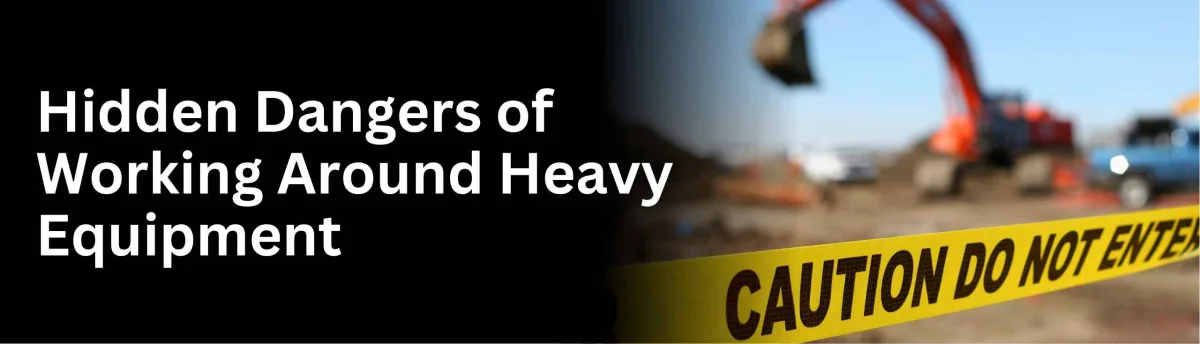
Heavy equipment is used every day on construction sites, road projects, and other industrial workplaces. Excavators, bulldozers, loaders, dump trucks, and cranes help workers complete tasks that would be difficult or impossible to do by hand.
Read More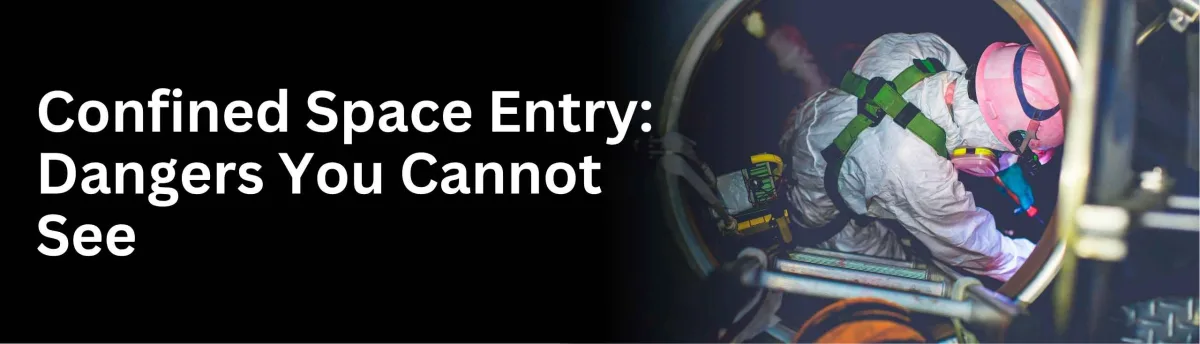
Look down into a manhole. Look into a storage tank. Look through the access port of a vessel that was operating an hour ago. It looks like air. It smells like nothing. There is no visible sign that anything is wrong
Read More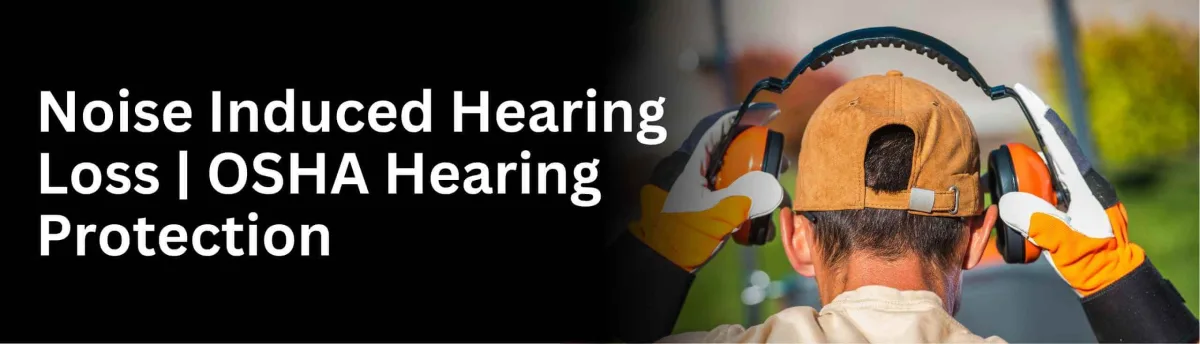
That is what makes noise induced hearing loss different from almost every other workplace injury. A laceration hurts immediately. A fracture is impossible
Read More
Many hazardous chemicals used in workplaces are covered by OSHA's Hazard Communication standard and require a Safety Data Sheet.
Read More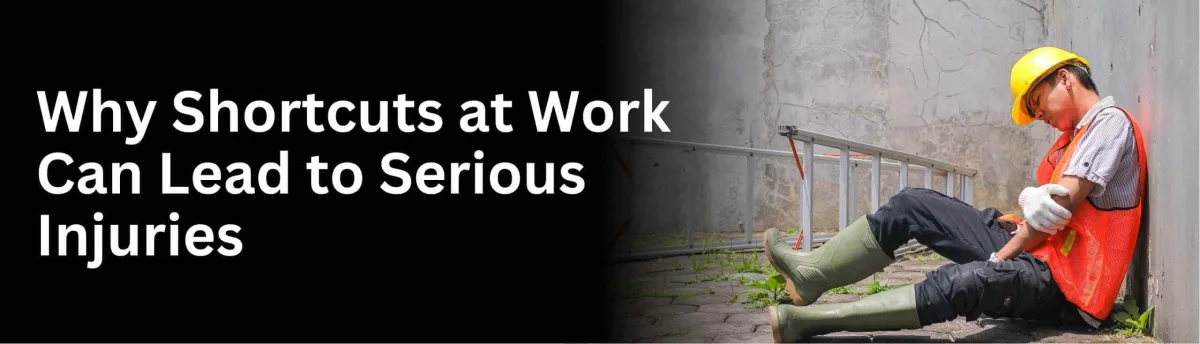
Most workers know the right way to perform a job. They know which steps to follow, what equipment to use, and what safety precautions are required.
Read More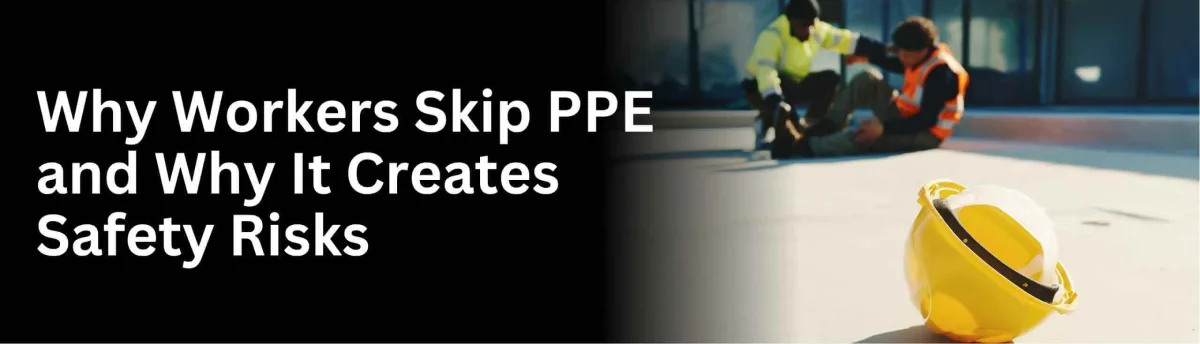
Most workers know they are supposed to wear personal protective equipment (PPE). They know safety glasses protect their eyes. They know hard hats help protect against falling objects
Read More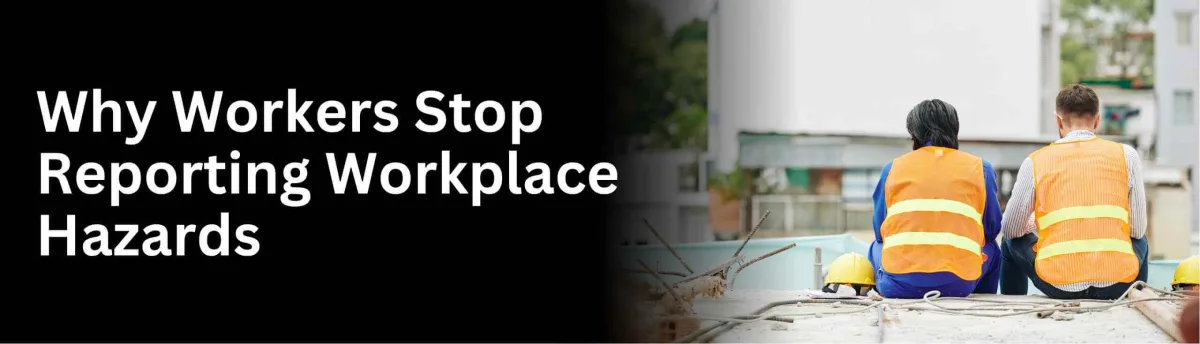
Most workplace injuries are not caused by hazards that nobody knew about. They are caused by hazards that somebody noticed but never reported.
Read More
When workers are exposed to freezing temperatures, strong winds, or wet conditions, the body works to protect vital organs by reducing blood flow to the hands,
Read More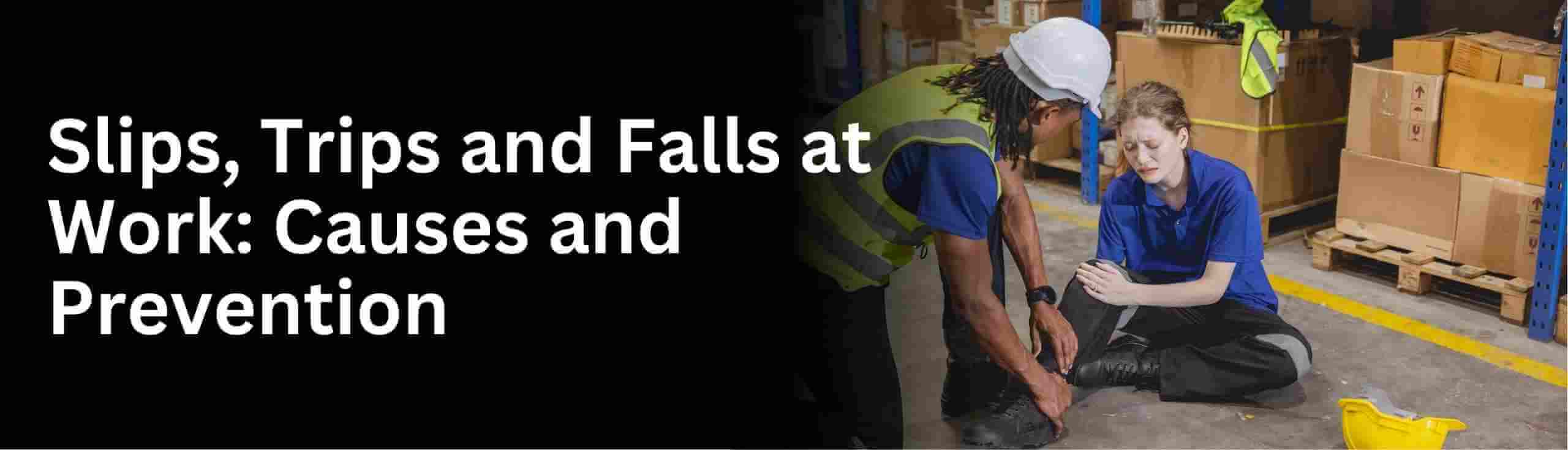
A wet floor. A cord stretched across a walkway. A damaged section of flooring. These hazards may seem minor, but they can cause workplace injuries when they are overlooked.
Read MoreTrusted by thousands of workers & supervisors